The Problem
NRG managed a suite of web applications that stored entertainment data dating back to the 1970s. Over time, these apps had been built independently to meet immediate needs. The result was a fragmented ecosystem of legacy systems with inconsistent design, poor usability, and no central hub.
Data analysts and stakeholders struggled with inefficiency, lack of design cohesion, and outdated interaction patterns that slowed adoption and made error recovery difficult.
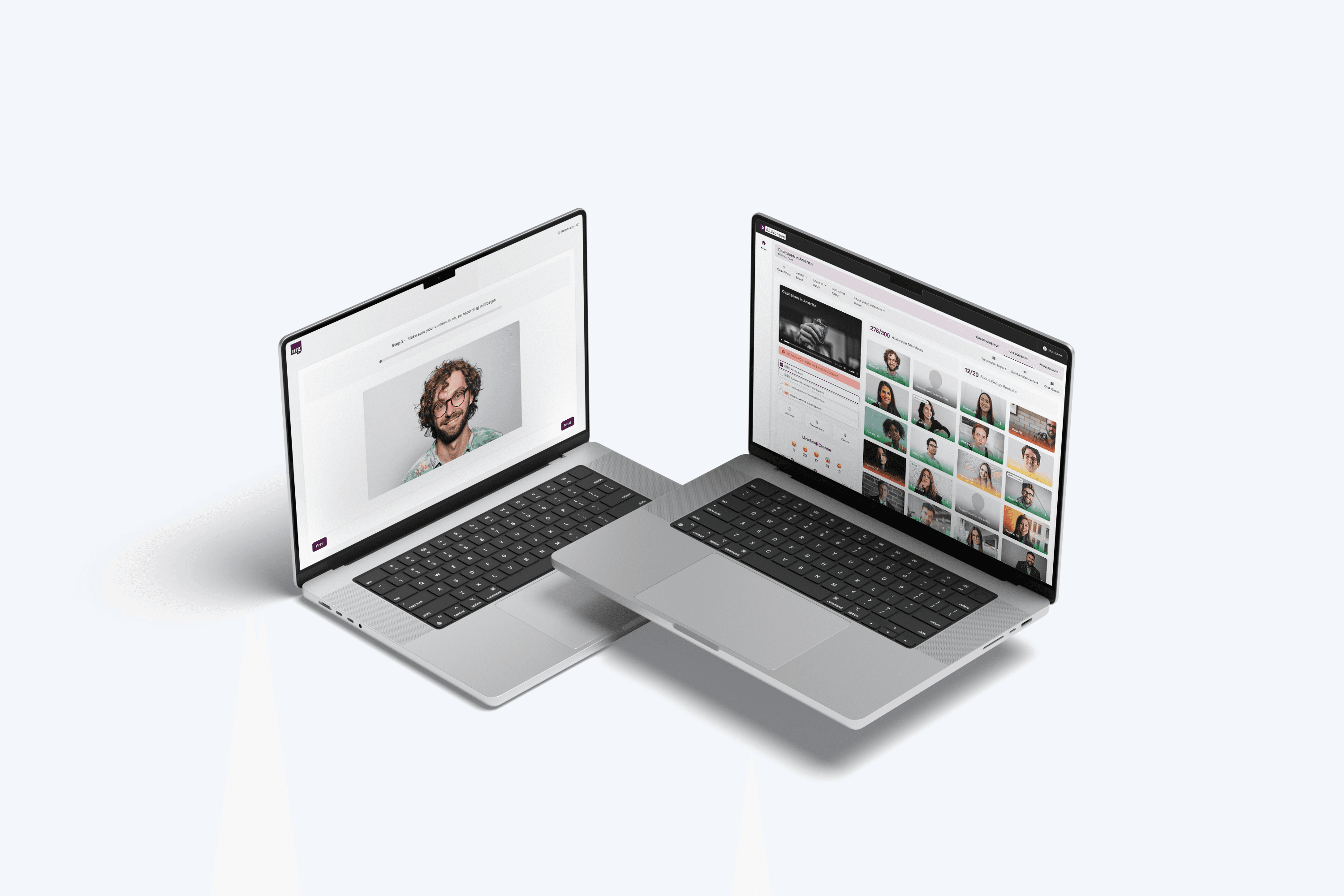
The challenge intensified during the pandemic, when traditional research processes like in-person screenings came to a halt. NRG needed digital solutions to continue research, streamline access to platforms, and ensure usability across tools.
The Process
01
UX Audit & Research
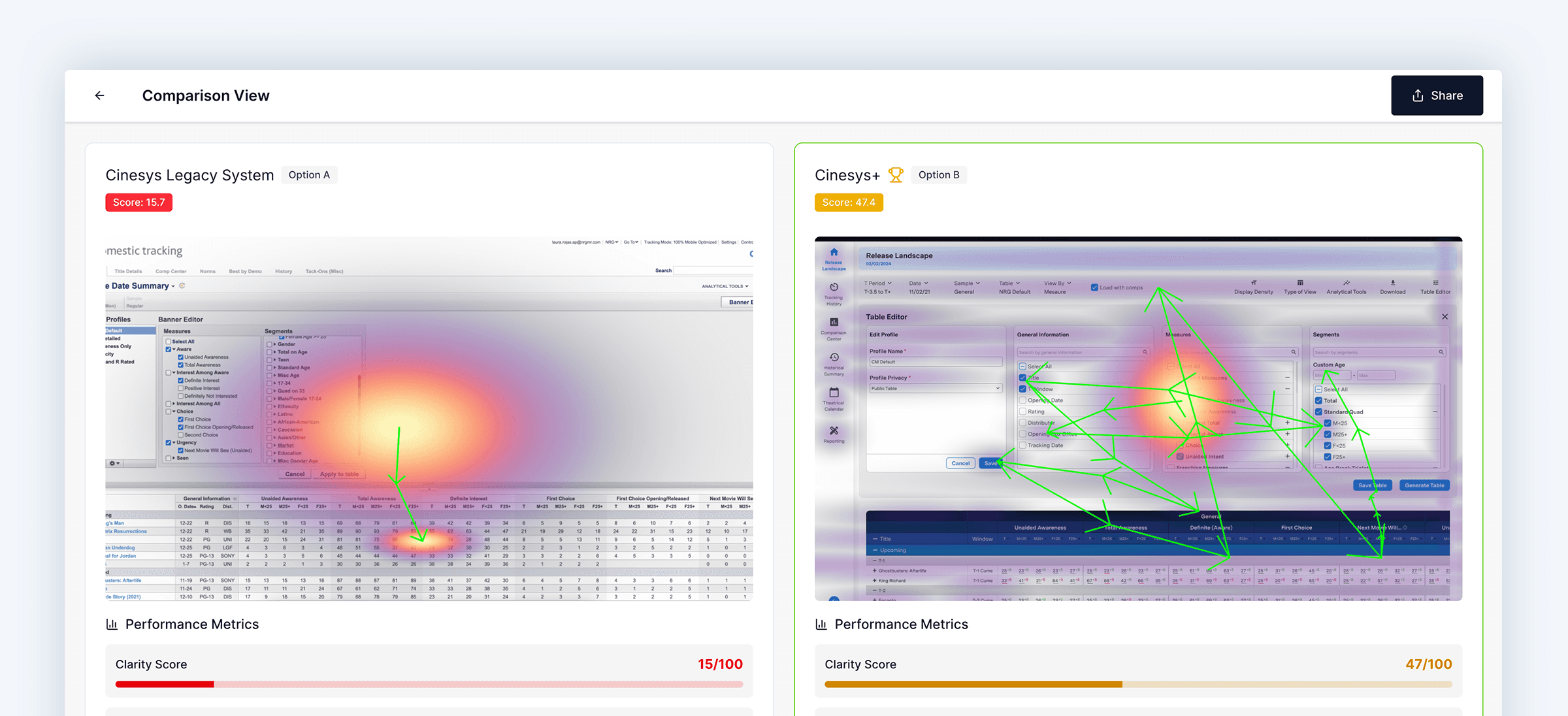
Analyzed legacy platforms through audits, user interviews, and heatmaps. Identified inefficiencies, poor usability, and lack of design cohesion.
Research
To uncover key pain points, I conducted a UX audit, user interviews, and analyzed heatmaps. The primary users—data analysts and stakeholders—revealed challenges such as inconsistent design patterns, poor usability across Nielsen’s heuristics (system status, consistency, error prevention, efficiency), and the absence of a central hub to connect platforms.
Product Design
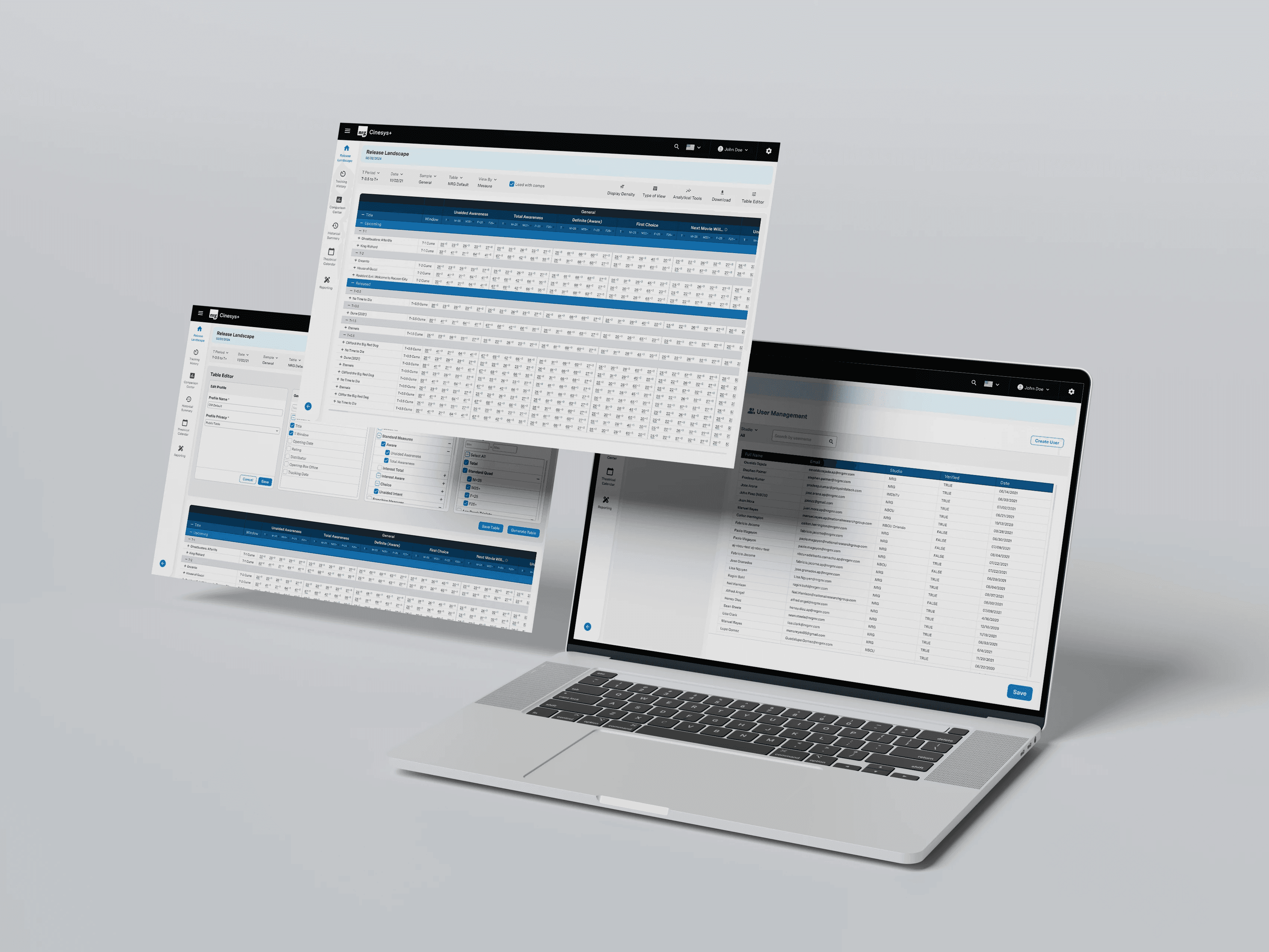
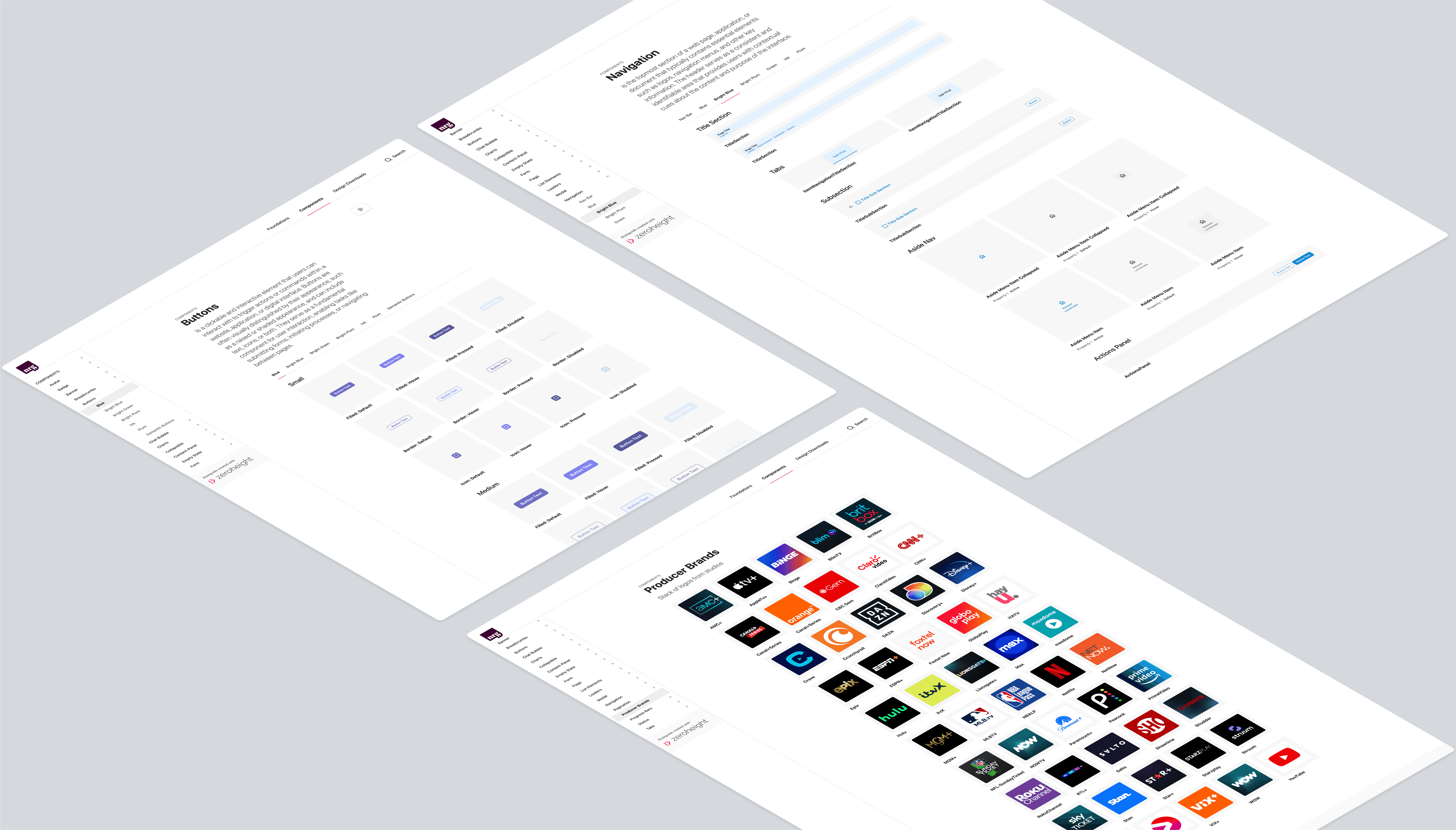
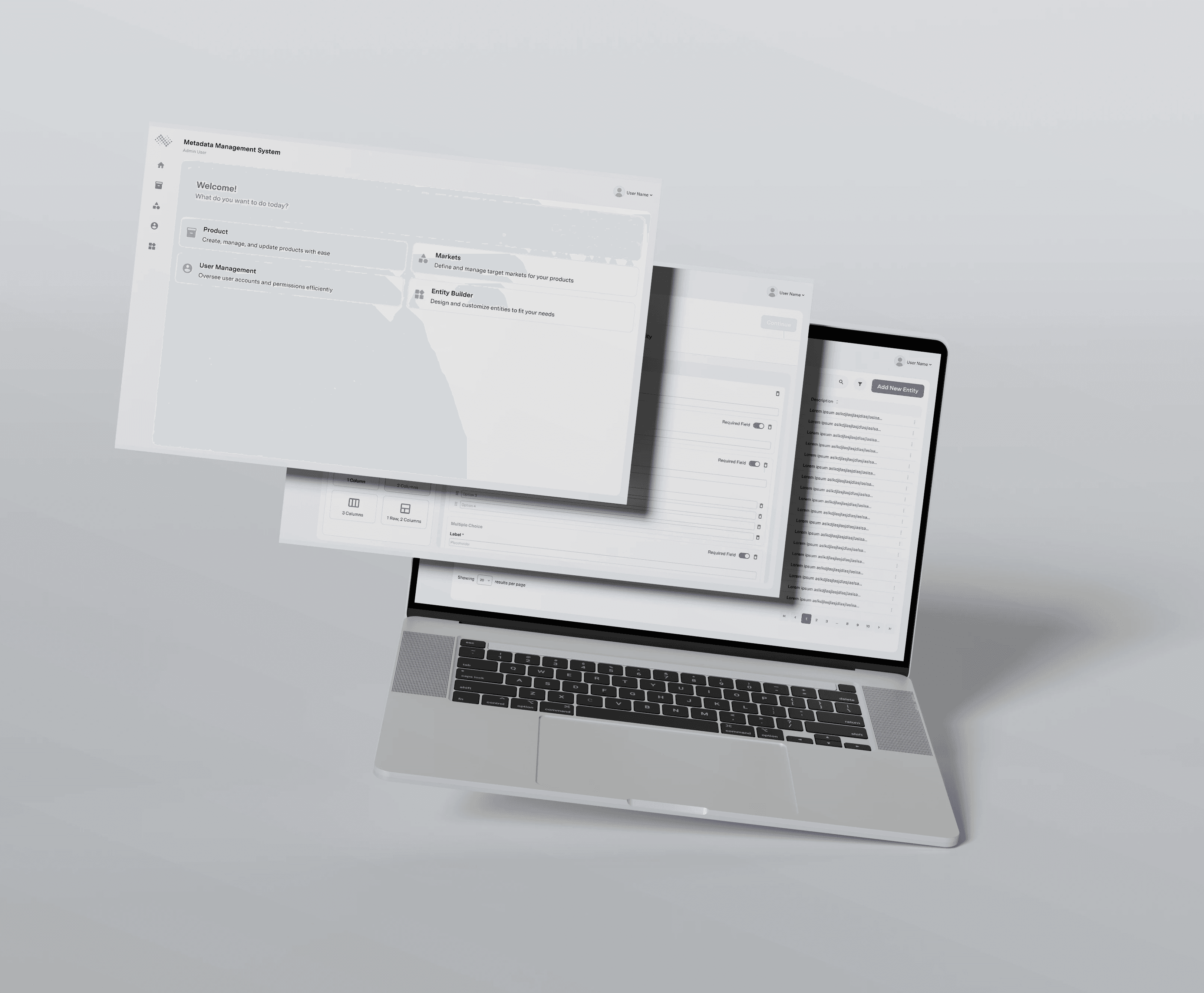
I proposed a platform hub with shared navigation, patterns, and behaviors to boost efficiency and adoption. I created a design system with custom components and a color strategy for differentiation, standardized flows for usability, and documented everything in Zeroheight for seamless development.

The Impact
30%
faster development through reusable design systems and centralized documentation
90%
business continuity as research projects ran remotely during the pandemic
+27%
adoption improvement with consistent design patterns and stronger brand experience